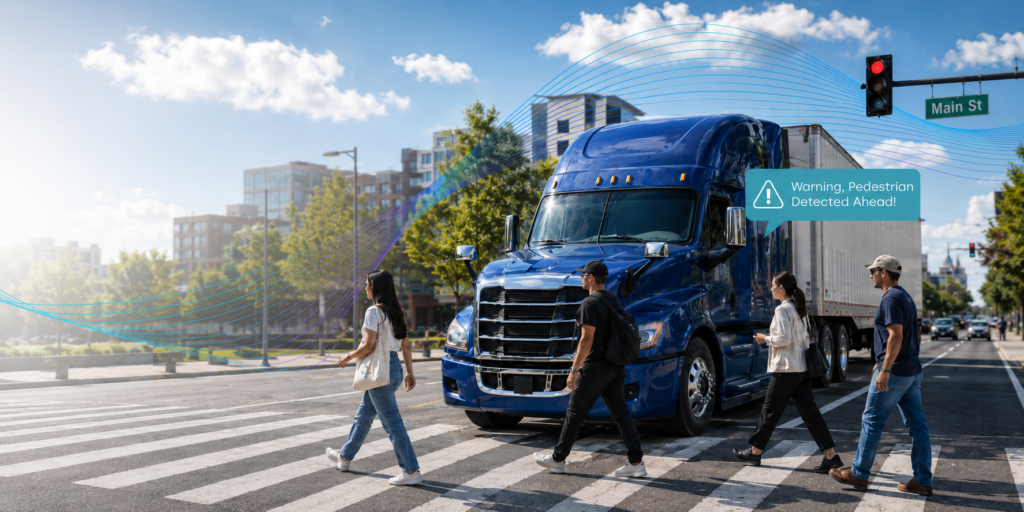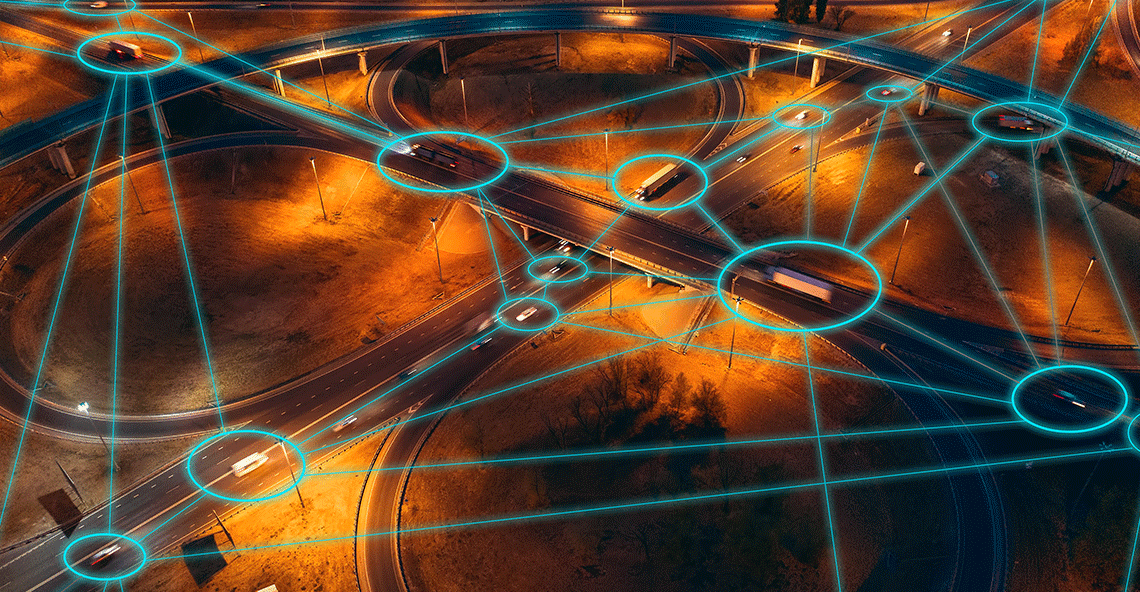
Managing a modern fleet isn’t just about tracking locations, but maximizing every asset’s performance, safety, and uptime. IoT and telematics combine to improve fleet operations through GPS tracking, vehicle diagnostics, and predictive maintenance. Telematics collects and transmits real-time data from vehicles, like location, speed, and performance, often using GPS, but it’s the ability to connect this data that makes IoT and telematics transformative. IoT, or the Internet of Things, is a network of connected physical devices, including sensors and telematics units, that collect and exchange data via the internet.
Connected fleet management technology is helping companies drive smarter operations. Understanding how these advancements work creates substantial cost savings, improved driver safety, and a more efficient and productive fleet. In this article, you will learn how these technologies work and discover the top solutions to transform your fleet.
The Role of IoT and Telematics in Fleet Management
It’s important to distinguish between IoT and telematics. As mentioned above, IoT is a broad network of connected physical devices, including sensors and telematics units, that collect and exchange data over the internet. Telematics, a specific application within this space, focuses on collecting and transmitting real-time vehicle data, such as location, speed, fuel usage, and performance diagnostics, typically using GPS and communication systems.
Telematics devices are considered key components of an IoT-enabled fleet environment. IoT technology works with telematics by providing the connectivity and infrastructure to integrate this vehicle data with information from other sources like vehicle sensors, onboard diagnostics (OBD-II), or mobile apps. This integration creates a comprehensive view of fleet operations. Analyzing this combined data yields actionable insights that empower fleet managers to optimize routes, improve safety, predict maintenance needs, and enhance overall efficiency.
Benefits of Connected Fleet Technology
Real-time connectivity transforms fleet data into a powerful decision-making tool. From cost control to vehicle health to driver performance, IoT and telematics help you address issues before they escalate. The result is a more agile, efficient operation with better visibility into the factors that affect profitability and safety. Let’s take a deeper dive into three key benefit categories.
Reducing Operational Costs
Connected technology helps fleets lower expenses across fuel, maintenance, and labor by delivering real-time visibility and actionable insights. Here’s how IoT and telematics reduce operational costs:
- Fuel efficiency – Route optimization and fuel usage monitoring help reduce mileage and prevent wasteful behaviors like idling or speeding.
- Driver behavior tracking – Real-time data identifies aggressive or inefficient driving patterns, supporting coaching that cuts fuel and repair costs.
- Predictive maintenance – IoT sensors monitor vehicle health—like engine temperature, fluid levels, or tire pressure—enabling repairs before costly breakdowns occur.
- Asset tracking – Prevents unauthorized vehicle use and improves visibility into fleet usage.
- Labor cost reduction – Smarter routing and dispatch reduce overtime and manual intervention, boosting day-to-day efficiency.
Boosting Uptime with Predictive Maintenance
Minimizing unplanned downtime is one of the most immediate advantages of connected fleet technology. Predictive maintenance improves uptime by:
- Continuous health monitoring – Sensors track engine performance, tire wear, brake conditions, and more in real time.
- Proactive alerts – AI-powered systems identify early signs of mechanical issues, notifying fleet managers before failures occur.
- Planned service windows – Maintenance can be scheduled around driver availability or delivery timelines—avoiding costly roadside breakdowns.
- Extended vehicle lifespan – Addressing issues early prevents excessive wear and supports long-term asset value.
Enhancing Driver Safety and Compliance
Driver safety isn’t just about avoiding collisions—it’s about having the data and tools to promote better habits and meet regulatory standards.
IoT and telematics enhance safety through:
- Behavioral monitoring – Systems track harsh braking, sharp turns, speeding, and more, offering real-time alerts for risky behaviors.
- Driver coaching – Actionable insights allow for personalized training and ongoing performance improvement.
- Video-based safety – Integrated dash cams and sensors help detect collisions, near-misses, and provide evidence for incident resolution.
- Collision prediction – Advanced analytics assess driving patterns to predict the likelihood of accidents, enabling early intervention.
They also simplify compliance management:
- Automated HOS tracking – Ensures drivers meet Hours of Service rules, reducing the risk of violations.
- Digital inspection logs – Streamline vehicle checks and reporting.
- License and certification tracking – Helps manage renewals and documentation to stay audit-ready.
Real-World Applications of IoT and Telematics in Fleet Operations
Connected fleet technology, combining IoT and telematics, offers several practical applications in fleet operations. These real-world examples show how the technology can be applied.
- Logistics and transportation: Real-time vehicle tracking via GPS and telematics is integrated with IoT systems for optimized routing. This reduces mileage, saves fuel costs, and provides accurate Estimated Times of Arrival (ETAs) for customers.
- Food and cold-chain logistics: IoT sensors monitor temperature and humidity levels inside refrigerated trucks. Telematics transmits this critical data, ensuring perishable goods remain at required temperatures and aiding compliance with food safety regulations.
- Construction and heavy equipment: IoT sensors and telematics enable remote monitoring of vehicle usage and performance. Data collected from engine diagnostics allows for predictive maintenance, anticipating potential issues before they cause costly breakdowns or downtime.
How Solera’s Telematics Solutions Drive Smarter Fleet Management
Drawing on connected technology, Solera Fleet Solutions delivers systems that improve fleet performance in the most critical areas. Predictive analytics uses data analysis to identify drivers statistically more likely to be involved in collisions, allowing for preventive action. Fault monitoring and diagnostics data reduce breakdowns and maintenance costs by detecting vehicle issues early. For fuel efficiency, routing optimization cuts mileage and fuel use, with telematics monitoring consumption and driving habits. Driver safety is improved via video-based safety and sensor technology monitoring risky behaviors like speeding or harsh braking to support driver training and coaching programs.
Even the most advanced tools fall short when they operate in isolation. Solera’s integrated suite of fleet management tools breaks down data silos to provide real-time visibility across vehicles, drivers, and assets—enabling smarter, faster decisions that drive real business outcomes.Solera’s connected fleet solutions empower you to cut costs, boost safety, and keep vehicles on the road longer. Reach out to the experts at Solera today to see how IoT and telematics can work together to transform your operations.