Why smarter routing helps food banks recover more donations, reduce costs and serve more families.
Every day, food banks coordinate a complex transportation network.
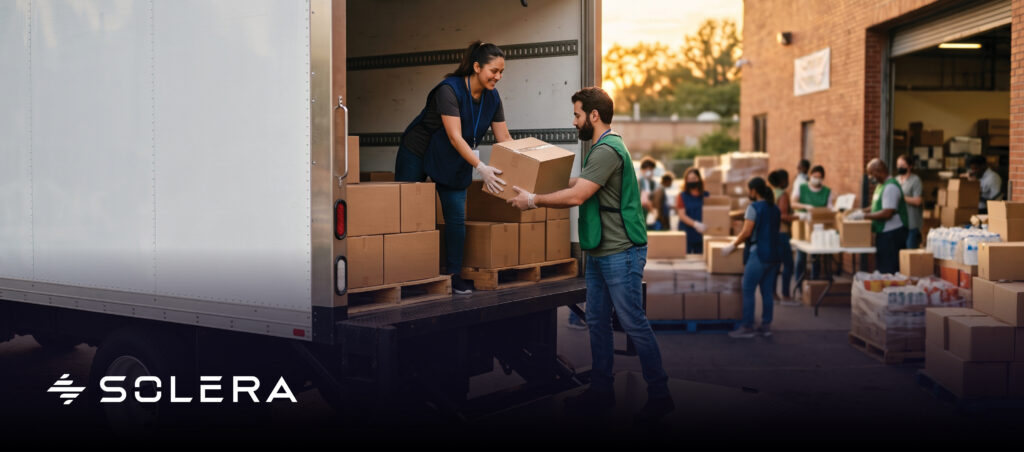
Drivers pick up donations from places like grocery stores, farms, restaurants, manufacturers, and community partners before delivering food to warehousees, partner agencies, and distribution sites. While every stop serves an important purpose, every additional mile, delay, or inefficient route can reduce the number of people a food bank is able to serve.
As demand for food assistance continues to grow, many food banks are looking for ways to accomplish more without significantly increasing staff, vehicles, or operating budgets. One of the most effective ways to improve transportation efficiency is to ensure the fleet’s routes are optimized for donation pickup and delivery.
Why Routing Matters More Than Ever
For food banks, getting food from point A to point B is just the beginning. They need to be able to maximize every available resource they have at their disposal. That means that well-planned routes can help food banks:
- Recover more food each day
- Reduce unnecessary fuel consumption
- Complete more pickups and deliveries with the same fleet
- Improve driver productivity
- Better serve partner agencies and local communities
When every vehicle operates more efficiently, food banks are able to extend the impact of their existing resources without adding vehicles to their fleet.
Common Routing Challenges Food Banks Face Today
Unlike many commercial fleets, food banks often manage transportation operations that change from day to day. Pickup locations can vary depending on who is able to donate and who is not. Donation volumes can also change, along with volunteer driver availability, and sometimes donation pickups get added to routes last minute.
Without a clear understanding of vehicle locations, driver progress, route performance, vehicle downtime, and more, food banks typically rely on manual planning, phone calls, spreadsheets, and even institutional knowledge to coordinate daily operations.
As these food banks grow and demand increases, this approach can become extremely difficult to manage.
Characteristics of an Optimized Route
An optimized route is designed to help food banks accomplish more with the fleet they already have. Instead of relying on static routes or manual planning, optimized routing helps organizations:
- Complete more pickups and deliveries in a single day
- Reduce unnecessary mileage and fuel consumption
- Balance workloads across vehicles and drivers
- Prioritize time-sensitive donation pickups
- Respond more effectively to last-minute schedule changes
- Improve on-time arrivals at partner agencies and distribution sites
For food banks, these improvements can translate into recovering more donated food, reducing transportation costs, and increasing the number of families served, all without adding vehicles or staff.
Visibility Makes Smarter Routing Possible
Even the best route plan needs accurate, real-time information.
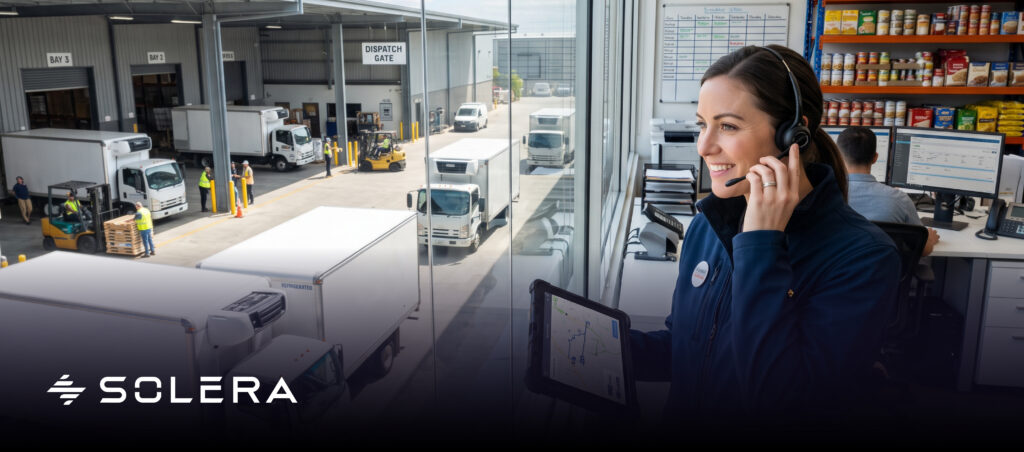
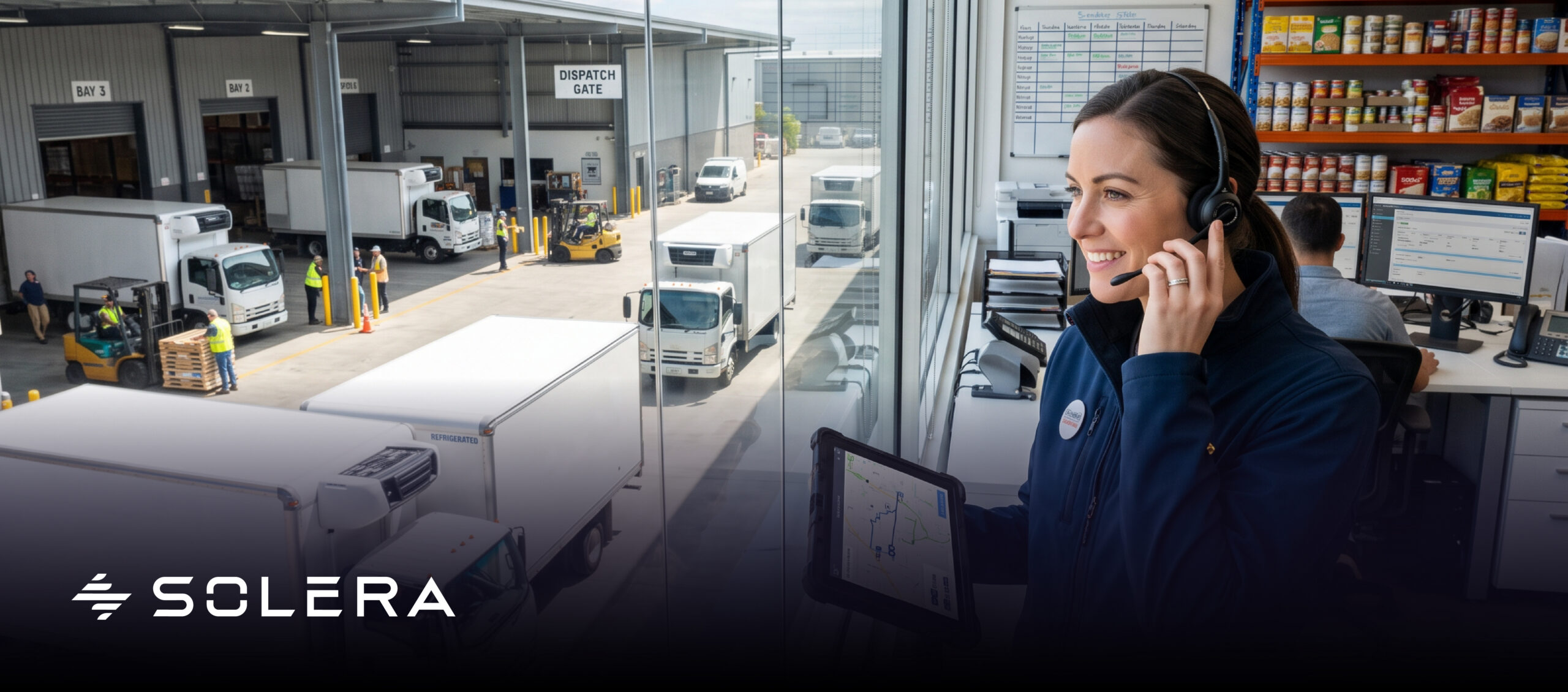
Transportation managers need visibility into where vehicles are, whether routes are progressing as planned, and if unexpected delays require adjustments. With real-time fleet visibility, organizations can monitor route progress, identify missed or delayed pickups, communicate more effectively with drivers, and make informed decisions throughout the day instead of waiting until vehicles return to the warehouse.
This level of operational insight helps food banks remain flexible when donation opportunities arise or schedules change unexpectedly.
Turning Transportation Into a Strategic Advantage
For food banks, the main mission is quite obviously to more effectively serve their community. However, they cannot do that unless their routes are optimized. By using intelligent routing technology, organizations can automate daily route planning, optimize vehicle utilization, and create more efficient schedules based on their unique operational needs.
Instead of spending valuable staff time manually building routes, transportation teams can focus on coordinating pickups, supporting drivers,and responding to the communities they serve. Solera’s routing solutions are designed to help organizations improve efficiency while adapting to changing schedules, vehicle availability and operational priorities.
Small Improvements Can Create Meaningful Results
Food banks don’t always need to expand their fleet to increase their impact.
Often, small improvements in route planning, vehicle utilization, and transportation visibility allow organizations to recover more donations, complete more deliveries, and reduce operating costs with the resources they already have.
As demand for food assistance continues to grow, smarter routing helps food banks make every mile, vehicle, and volunteer count.