Why are visibility, efficiency, and vehicle utilization becoming increasingly more important for nonprofit food distribution?
Food banks across the country continue to experience strong demand as many families face ongoing food insecurity and economic pressures. As the demand for food assistance continues to rise, many organizations are focused on securing donations, recruiting volunteers, and expanding community outreach.
However, one critical piece of the operation often receives less attention: transportation.
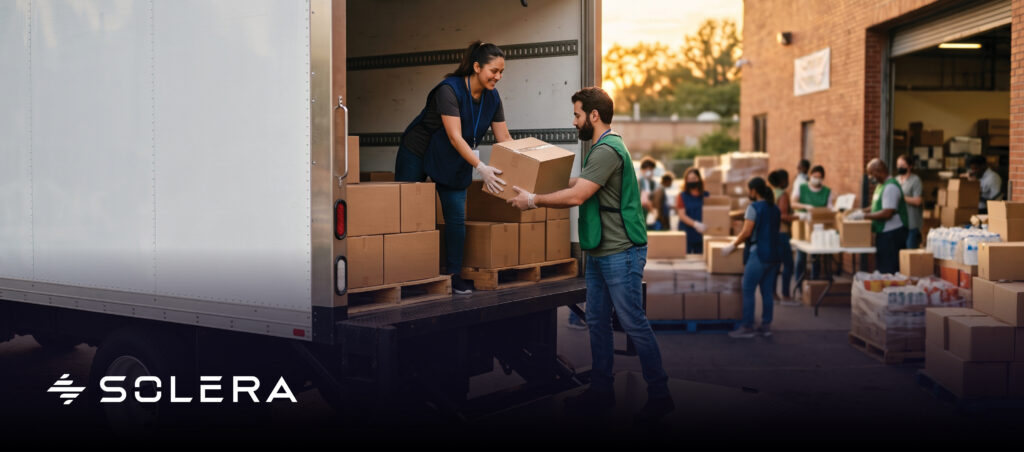
From collecting donations and moving inventory between facilites to delivering food directly to partner agencies and communities, transportation plays a vital role in a food bank’s ability to fulfill its mission. When food bank fleets run smoothly, food reaches those who need it most. When they don’t, the ripple effects extend far beyond transportation.
A delayed or missed pickup can mean donated food never makes it into the supply chain. Vehicle breakdowns can disrupt delivery schedules, leaving partner agencies waiting on essential supplies. Inefficient routes can increase fuel costs and reduce the number of stops a food bank can make in a day. Over time, these operational challenges can limit an organization’s ability to recover donations, serve more families, and maximize the impact of every dollar invested in its mission.
For food banks operating with limited budgets and growing demand, transportation isn’t simply a logistical function – it’s a critical link between food donations and the communities that depend on them.
While transportation may not always be top of mind, many food banks face hidden operational challenges that can impact efficiency, costs, and service levels.
Here are some of the most common transportation challenges that food banks can encounter today.
1. Limited Visibility Into Daily Operations
Many food banks operate with a small fleet of vehicles and lead teams that are responsible for managing pickups, deliveries, and warehouse logistics.
Without clear visibility into vehicle activity throughout the day, it can be difficult to answer important questions:
- Are vehicles being utilized efficiently?
- Have all scheduled pickups been completed?
- Are routes taking longer than expected?
- Where are vehicles located at any given time?
As operations grow, relying solely on phone calls, spreadsheets, or manual updates can make it challenging to maintain situational awareness across the entire transportation network – no matter how big or small the operation may be.
Greater operational visibility allows food banks to make informed decisions, identify inefficiencies and risks, and better support drivers in the field.
2. Missed Donation Pickup Opportunities
Food banks often coordinate pickups from grocery stores, restaurants, farms, distributors, and community organizations. When a pickup is delayed, missed, or rescheduled, food may be wasted, donor relationships can be strained, and opportunities to serve additional families may be lost.
Every donation matters.
Transportation bottlenecks are not always caused by a lack of vehicles. In many cases, they stem from scheduling conflicts, route inefficiencies, communication challenges, or limited visibility into available resources.
As food banks continue to expand their networks of donors and partners, maintaining efficient pickup operations becomes increasingly important.
3. Rising Fuel and Operations Costs
Like every organization that operates vehicles, food banks, must manage rising transportation expenses.
Fuel costs, maintenance expenses, insurance premiums, and vehicle replacement costs can place pressure on already limited budgets. Because food banks are committed to maximizing the impact of every dollar donated, operational efficiency becomes increasingly important.
Small improvements in route planning, vehicle utilization, and maintenance scheduling can help organizations stretch limited resources further while also continuing to meet growing community needs.
4. Vehicle Downtime Can Disrupt the Mission
When one of your vehicles is unexpectedly unavailable or inoperable, the impact can extend far beyond the repair bill. A single breakdown can lead to:
- Missed donation pickups
- Delayed deliveries
- Scheduling challenges
- Increased labor costs
- Reduced service capacity
For organizations operating with a limited number of vehicles, downtime can quickly affect daily operations.
Proactively managing fleet health and understanding how vehiles are being used can help food banks minimize disruptions and maintain reliable service.
5. Managing Volunteer and Part-Time Drivers
Many food banks rely on volunteers, part-time staff, or seasonal personnel to support transportation operations. While these individuals play a critical role in the organization’s success, managing a diverse driver population can create unique challenges. Organizations may need to monitor:
- Driver availability
- Route completion
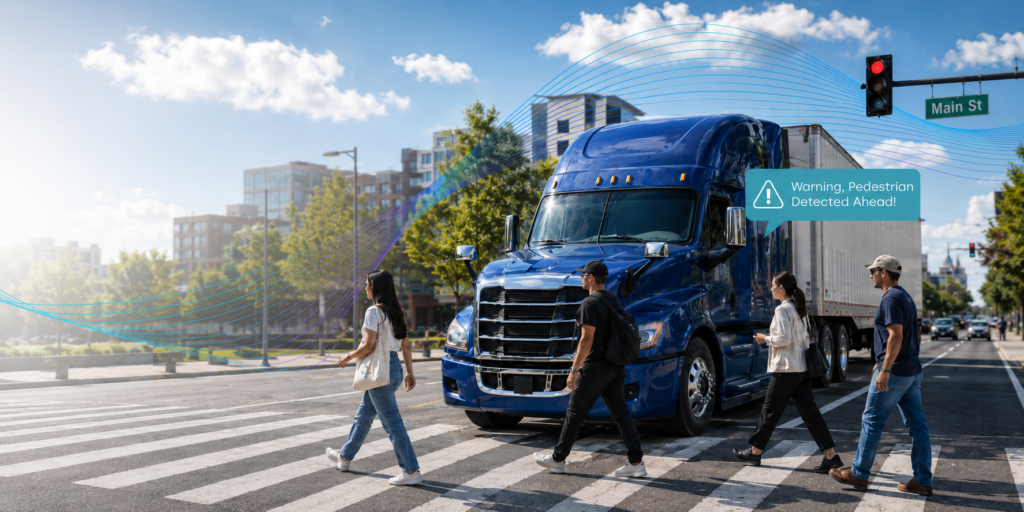
- Safe driving
- Vehicle usage
- License monitoring
- Communication across multiple locations
As transportation programs grow, maintaining consistency and accountability becomes increasingly important to ensure safe and efficient operations.
6. Expanding Demand without Expanding Resources
Perhaps the greatest challenge facing food banks today is serving more people without significantly increasing staff, vehicles, or operating budgets.
Food insecurity remains a concern in many communities, and organizations are often asked to do more with the same resources they have today.
To meet this challenge, many food banks are evaluating ways to improve efficiency across their operations. Transportation is often one of the most impactful areas for improvement because it directly affects donation recovery, distribution capacity, and overall service levels.
Even small operational gains can help organizations extend their reach and serve more families.
Looking Ahead
By understanding the hidden challenges that exist withing fleet and transportation operations, food banks can identify opportunities to improve visibility, streamline routes, maximize vehicle utilization, and make the most of limited resources, all while staying focused on what matters most: serving their communities.
That’s why Solera partners with organizations like Feeding America to help food banks improve transportation operations through greater fleet visibility, optimized routing, vehicle utilization insights, and tools that help keep volunteer and staff drivers safe. By reducing transportation inefficiencies and improving day-to-day operations, food banks can spend less time managing vehicles and more time advancing their mission.
Because at the end of the day, transportation isn’t just about moving vehicles.
It’s about moving meals to the people who need them the most.